
Transition Planning: Your First 90 Days as a New Ranch Owner
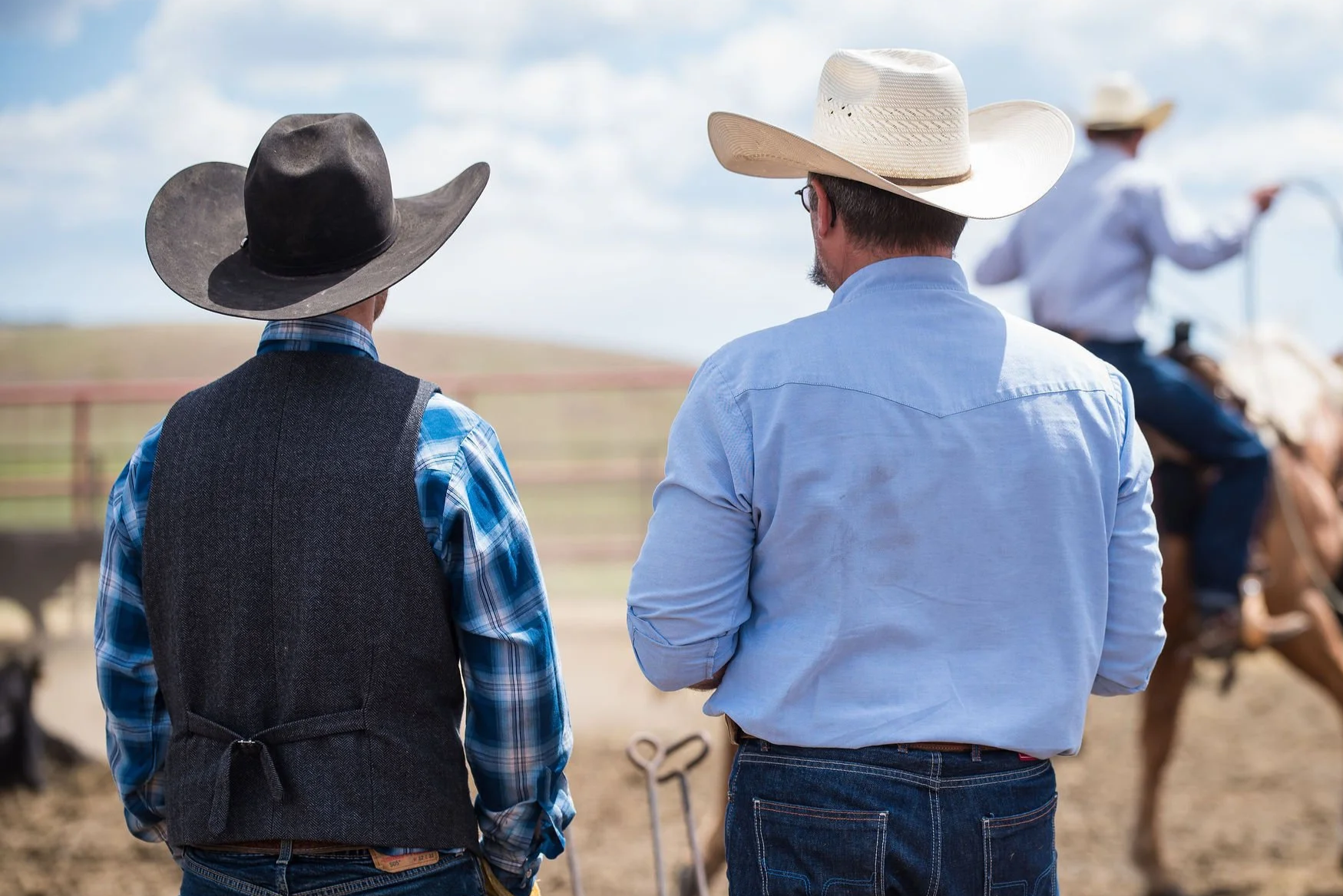
You've closed on your ranch. Congratulations! You're now the owner of a complex agricultural operation. What you do in the next 90 days will set the trajectory for your entire ownership experience.
Many new ranch owners approach this period reactively: dealing with issues as they arise, making decisions without complete information, and learning expensive lessons that could have been avoided. The most successful transitions are strategic, methodical, and grounded in understanding the operation you've just acquired.
Here's how to approach your first 90 days without mucking it up and causing yourself problems later on.
Days 1-30: Assess and Learn
Your first month isn't about making changes—it's about understanding what you've bought. If you plan on being more of a hands-off owner and having a manager run the ranch for you, your manager can do most of this, but it’s a good idea for you to be there for as much of it as you can.
Operational Inventory
Walk every acre you can. Even if you plan to be more of a hands-off owner, getting to know your place is important. Document:
Fence conditions (note sections needing immediate attention versus routine maintenance)
Water system functionality (wells, tanks, springs, pipelines, irrigation infrastructure)
Facility conditions (corrals, barn, shop, housing)
Equipment status (start everything, identify maintenance needs)
Forage conditions (pasture health, hay inventory, quality assessment)
This isn't a casual drive-around. Bring a notebook or use a ranch management app. Take photos. Make detailed notes. This baseline assessment becomes your operational roadmap. If this isn’t in your wheelhouse, bring your ranch manager (or us) along. Having expertise is important to assess what needs tended to right away, and what can be built into a plan down the road.
Meet Your Herd
If you purchased livestock, you should have already done your homework about your herd, but it never hurts to get to know it better:
Observe cattle daily (behavior, body condition, any health issues)
Review identification systems (ear tags, brands, record-keeping)
Understand the feeding program (rations, timing, supplement protocols)
Check health records against what you see in the field
Identify any immediate health concerns
Spend time watching how cattle move through the operation. Where do they congregate? How do they respond to your presence? What's their body condition? These observations tell you whether the management program described to you matches reality.
Inventory Everything
Create comprehensive lists:
All equipment (tractors, trucks, implements, tools)
Supplies on hand (feed, supplements, medications, parts)
Hay inventory (tons, quality, storage location)
Fencing materials and repair supplies
Fuel inventory
Photograph everything. Note serial numbers for titled equipment. This inventory serves multiple purposes: insurance documentation, maintenance planning, and budget forecasting. Even if this was provided to you pre-sale, double-check everything.
Build Your Professional Team
Identify and meet with:
Veterinarian (the ranch likely already has one, but you should meet them and determine if you’d like to continue the relationship. Same goes for your pharma rep, if that applies.)
Feed/supplement dealer (understand your options and pricing, and look at competitors if you already have a dedicated dealer)
Equipment dealer (for parts, service, and advice)
Neighbors (critical relationships for shared fencing, water, cooperation)
Extension agent or NRCS office (free resource for local expertise)
Accountant familiar with agricultural operations
Don't wait until you need these relationships under pressure. Establish them proactively.

Days 30-60: Plan and Prioritize
With your assessment complete, it's time to work with your ranch management team and start figuring out your operational plan.
Immediate Needs vs. Long-term Improvements
Categorize what you and your manager have found:
Critical/Immediate (30 days):
Safety issues (dangerous fences, broken equipment, facility hazards)
Animal health concerns
Infrastructure failures (non-functional water systems, fences, and pens)
Important/Near-term (60-90 days):
Routine maintenance that's overdue
Systems that are functional but deteriorating
Preparation for upcoming seasonal demands
Strategic/Long-term (6+ months to years):
Major infrastructure upgrades
Herd development programs
Operational efficiency improvements
Your budget and time are finite. This prioritization prevents you from spending on nice-to-haves while ignoring critical needs. Keep in mind that this is a plan, not necessarily things that are going to happen right away. The focus is to make things as functional and safe, and then move through the other elements.
Financial Baseline
Establish your operational accounting:
Set up accounts specifically for ranch operations
Create budget categories based on your assessment (these might change!)
Establish record-keeping systems for expenses and revenues
Begin tracking time and labor (even your own)
Many new owners commingle personal and ranch finances. Don't. Clean separation from day one makes management, tax planning, and decision-making infinitely easier.
Pro tip: don’t get too micro-managey about tracking literally everything. Work with your manager to build systems that work, not ones that make employees nuts and waste time.
Seasonal Planning
Understand what's coming:
When is calving season? (preparation starts months ahead)
What about branding?
Will you be AI-ing cattle, or just turning out bulls?
When do you need to have hay secured, or when does hay season start?
What's the grazing rotation schedule? Even a rough one in tune with when you need to have cows gathered for works is great.
When and how are you selling calves?
What's the breeding season timeline?
Create a 12-month calendar of operational activities. This helps you anticipate needs rather than scrambling to react and get a feel for the flow of the year.
Days 60-90: Execute and Refine
Now you're ready to start implementing changes—strategically.
Address Critical Items
Focus on your "Critical/Immediate" list:
Fix safety hazards
Address animal health issues
Repair essential infrastructure
Resolve any operational bottlenecks
Document everything: what was wrong, what you did, what it cost. This creates your maintenance history and helps you understand the true cost of ranch operation.
Establish Operating Routines
Develop and document your standard procedures:
How often are you checking cattle? How does this change with the seasons?
Equipment maintenance schedules
Feed and supplement protocols (work with a nutritionist if needed)
Record-keeping routines (what records are you keeping and how does that work?)
How often is the manager meeting with you? With the crew? What do those meetings look like?
Consistency is what separates well-managed operations from chaotic ones. Having written procedures is helpful to keep everyone on track and for onboarding.
Begin Relationship Building
This is when you:
Introduce yourself to neighbors properly
Attend local livestock meetings or association events
Engage with local agricultural community
Build relationships with service providers
Ranching is a community activity. The knowledge, cooperation, and goodwill of your neighbors and local agricultural community are invaluable resources.
Performance Review
At 90 days, sit down and assess:
What have you learned about the operation?
Where did your pre-purchase assessment match reality? Where were the surprises?
What does your budget look like versus projections?
What operational changes are working? What needs adjustment?
What are your priorities for months 4-12?
This review helps you course-correct before small issues become major problems.
Common Pitfalls to Avoid
Moving Too Fast: You don't need to change everything immediately. Understand why systems exist before you change them.
Ignoring Previous Management: The former owner might have made decisions for good reasons. Learn what worked before you discard it.
Underestimating Time Requirements: Ranch management takes more time than most new owners anticipate, especially during seasonal peaks. This is why having a ranch manager you trust that can take on the job is key.
Deferring Maintenance: What you don't fix now will cost more later—and probably fail at the worst possible time.
Operating in Isolation: Not engaging with local expertise, neighbors, and the agricultural community means you're learning everything the hard way. Building community (and repairing a bad reputation when necessary) is one of the most neglected parts of being an absentee owner, but it will make your life (and your manager and employees’ lives) so much easier in the long run. It’s worth it!
When to Bring in Professional Support (Hey, That’s Us!)
Even with excellent planning, most new ranch owners benefit from professional operational support during the transition. At JRC Ranch Management and Consulting, we help new owners:
Develop comprehensive transition plans
Conduct detailed operational assessments
Establish efficient management systems
Navigate the learning curve of ranch ownership
Connect with trusted service providers and community resources
Hire and retain top ranch managers and employees
Fast-track their ranch’s success by avoiding common mistakes
The first 90 days set the foundation for everything that follows. Professional guidance during this critical period helps you avoid costly mistakes and accelerate your learning.
Your ranch ownership journey doesn't need to be a trial-by-fire. With methodical planning and the right support, your first 90 days can establish the systems and knowledge base for successful long-term operation.
Just purchased a ranch or preparing for the transition? Contact JRC Ranch Management and Consulting to discuss how we can support your first 90 days and beyond.
