
“The Big Three:” Management Models for Absentee Ranch Owners
You've decided to purchase a ranch, or you already own one. You understand you can't run it from Houston, Chicago, or San Francisco. You need someone managing the property day-to-day. But what management structure actually makes sense for your situation?
There are three main models for absentee ranch ownership. Each has distinct advantages, costs, risks, and appropriate use cases. Understanding these models and honestly assessing which fits your goals, involvement level, and risk tolerance is critical to successful ranch ownership from a distance.
Here's what you need to know about each approach.
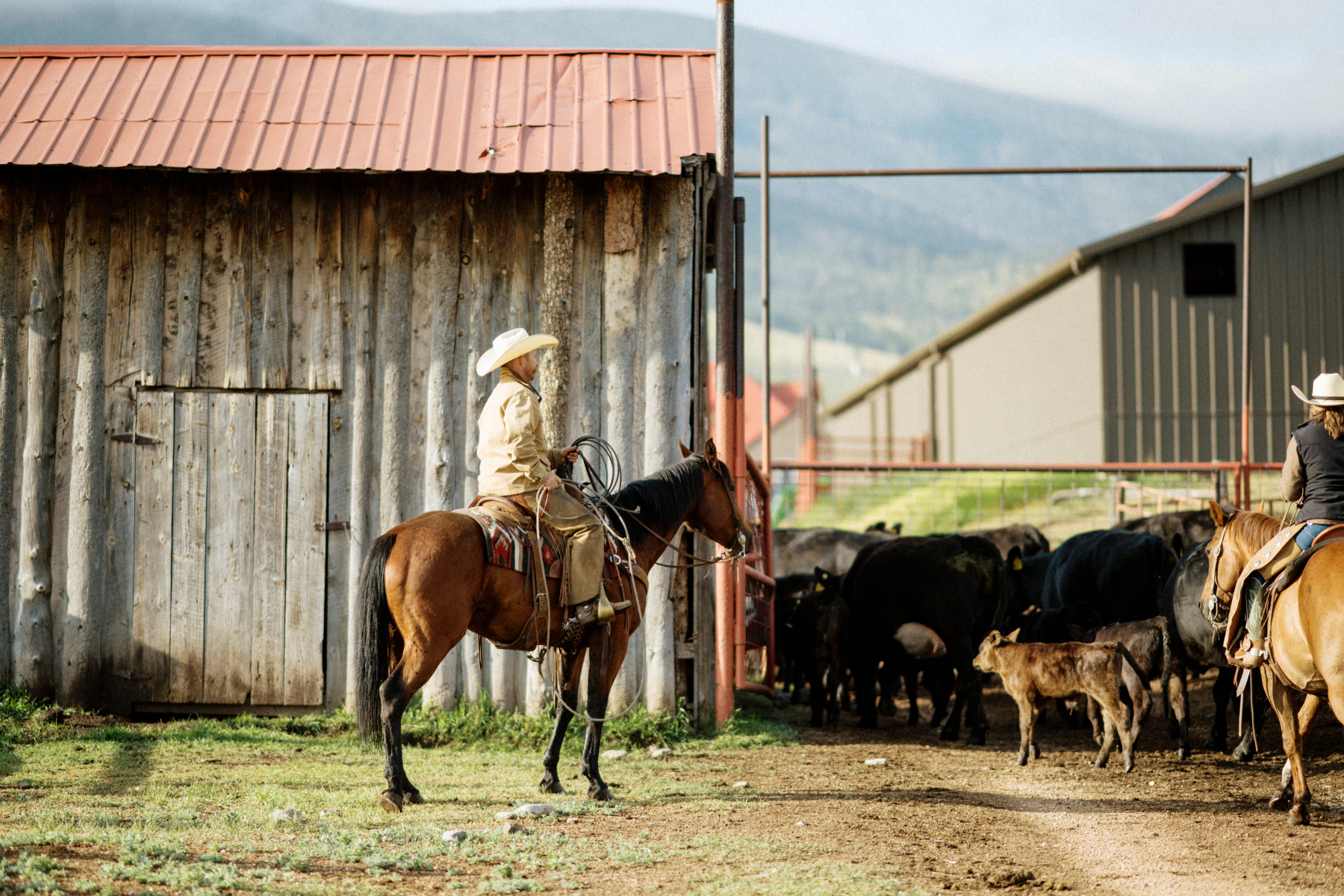
Model 1: Full Professional Management (Or the “General Manager” Model.)
In this model, you hire a professional ranch management company to operate the property completely.
How It Works
A ranch management firm provides:
Daily operations management (livestock care, feeding, health monitoring)
Strategic planning and execution (breeding programs, marketing, capital improvements)
Labor management (hiring, supervising, and managing ranch staff)
Financial management (budgeting, expense control, reporting)
Infrastructure oversight (maintenance, repairs, improvements)
Vendor relationships (feed suppliers, veterinarians, equipment dealers)
Comprehensive reporting to you as the owner
You retain ownership and make major strategic decisions (stocking rates, capital investments, overall direction), but day-to-day operations are handled by professionals who report to you regularly.
Cost Structure
Professional management typically runs:
Flat fee: $60,000-150,000+ annually, depending on ranch size and complexity
Percentage-based: 8-15% of gross revenue
Equity-based:partial herd ownership (think literal stock options)
Hybrid: Base fee plus performance incentives or a combination of multiple of the above options
Operating expenses (feed, labor, supplies, etc.) are separate and paid directly by you, but managed and reported by the management company.
Advantages
Expertise: You're buying professional-level knowledge in livestock management, range science, equipment operation, and agricultural operations.
Accountability: Professional firms provide structured reporting, maintain insurance, and operate with clear performance metrics.
Efficiency: Management companies leverage relationships, bulk purchasing, and operational experience to run ranches more efficiently than most individual owners could.
Scalability: As your operation grows or changes, professional management adapts without you having to rebuild systems.
Peace of Mind: You can travel, focus on your business, or enjoy other pursuits knowing your ranch is being operated competently.
Strategic Partnership: Good management firms don't just execute—they provide strategic input on improving the operation.
Disadvantages
Cost: This is the most expensive management option on a pure dollar basis.
Less Direct Control: You're directing or collaborating rather than managing. Some owners find this frustrating.
Relationship Dependent: The quality of your experience depends entirely on the management company you select.
Best For
Owners who are truly absentee and do not live on-site
Complex operations requiring significant expertise
Owners prioritizing performance, professional operation, and asset protection over cost minimization
Those who want their ranch run like a business with professional accountability
Operations where the owner lacks ranching background or experience
How It Works
Ranch management company acts as a “General Manager” and hires day-to-day employees and seasonal labor. These employees live and work on the ranch like in Model 2 but report not to the owner but to the GM. Think of the owner as the CEO, the GM as the COO, and the ranch employees as department managers, entry-level employees, and seasonal contractors.
The ranch management company (with input from the owner) handles all major decisions and strategic planning as well as making sure the day-to-day operations on the ranch are handled correctly
The owner receives regular reporting from the ranch management company
What Can Go Wrong
Poor management company selection leads to mediocre results
Misaligned incentives if fee structure isn't appropriate
Communication breakdowns if reporting isn't comprehensive
Cultural mismatch between your expectations and firm's approach when clarity + communication are lacking
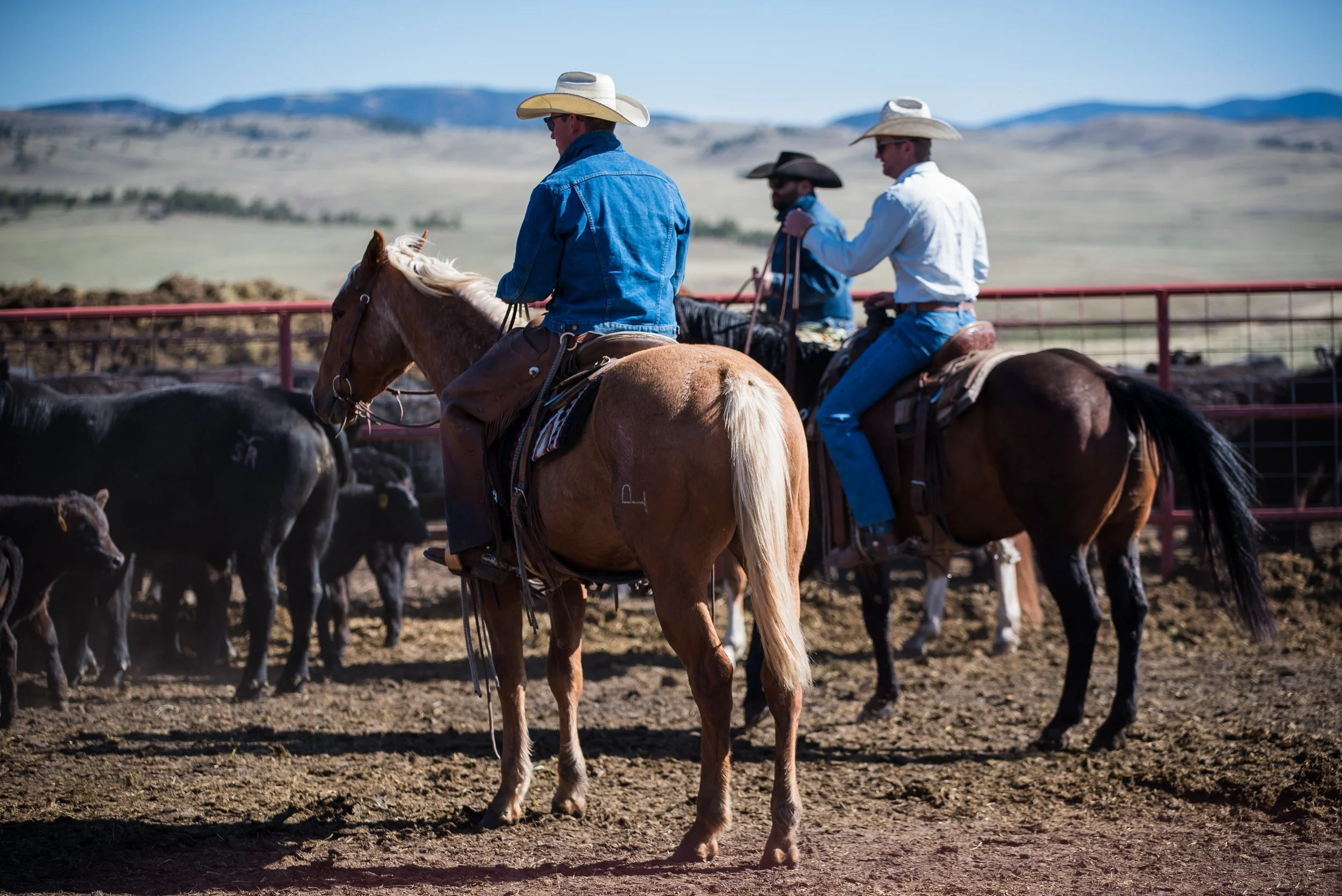
Model 2: Ranch Manager + Owner Oversight
This model employs a full-time ranch manager who lives on the property and reports directly to you.
How It Works
You hire a dedicated ranch manager. They:
Live on the property (you provide housing)
Handle daily operations independently
Make routine decisions within established parameters
Report to you directly (weekly, monthly, or as needed)
May supervise additional labor
You remain more involved in strategic decisions, budgeting, major purchases, and vendor relationships.
Cost Structure
Typical compensation package:
Salary: $50,000-90,000 annually depending on experience and region
Housing: Provided as part of compensation
Utilities: Often included
Possible bonuses: Based on performance metrics
Benefits: Health insurance may be expected
You're also responsible for:
Additional seasonal labor costs
All operating expenses
Equipment and infrastructure maintenance
Direct vendor relationships and payments
More time commitment during busy seasons
Being available for pressing decisions
Advantages
Lower Direct Cost: Base salary is typically less than professional management fees.
Personal Relationship: You develop direct relationship with the person running your ranch.
More Control: You're the boss, making all major decisions and maintaining direct oversight.
Potential for Excellent Fit: The right manager who shares your vision can be incredibly valuable.
Flexibility: You can structure the role around your specific priorities and preferences.
Disadvantages
You're the Manager: You're responsible for hiring, oversight, performance management, and potentially firing.
Variable Quality: Manager quality varies enormously. Hiring well is critical and difficult.
Dependent on One Person: If your manager leaves, you're scrambling to replace them while the ranch deteriorates.
No Backup Systems: When your manager is sick, on vacation, or dealing with emergencies, there's no institutional support.
You Need Ranch Knowledge: Effective oversight requires enough expertise to assess whether your manager is performing well.
Limited Strategic Input: Most ranch managers execute plans well but may not provide high-level strategic thinking.
Best For
Owners who visit monthly and want significant involvement
Those with (actually, not theoretically) enough ranching knowledge to provide meaningful oversight
Operations of moderate complexity (not requiring specialist expertise)
Owners who enjoy the direct management relationship
Those willing to invest time in hiring, training, and performance management
What Can Go Wrong
Hiring the wrong person (extremely common)
Manager leaves unexpectedly, leaving you with no coverage
Performance issues that you don't catch until significant damage is done
Scope creep where you end up managing more than intended
Relationship problems that make firing necessary but difficult
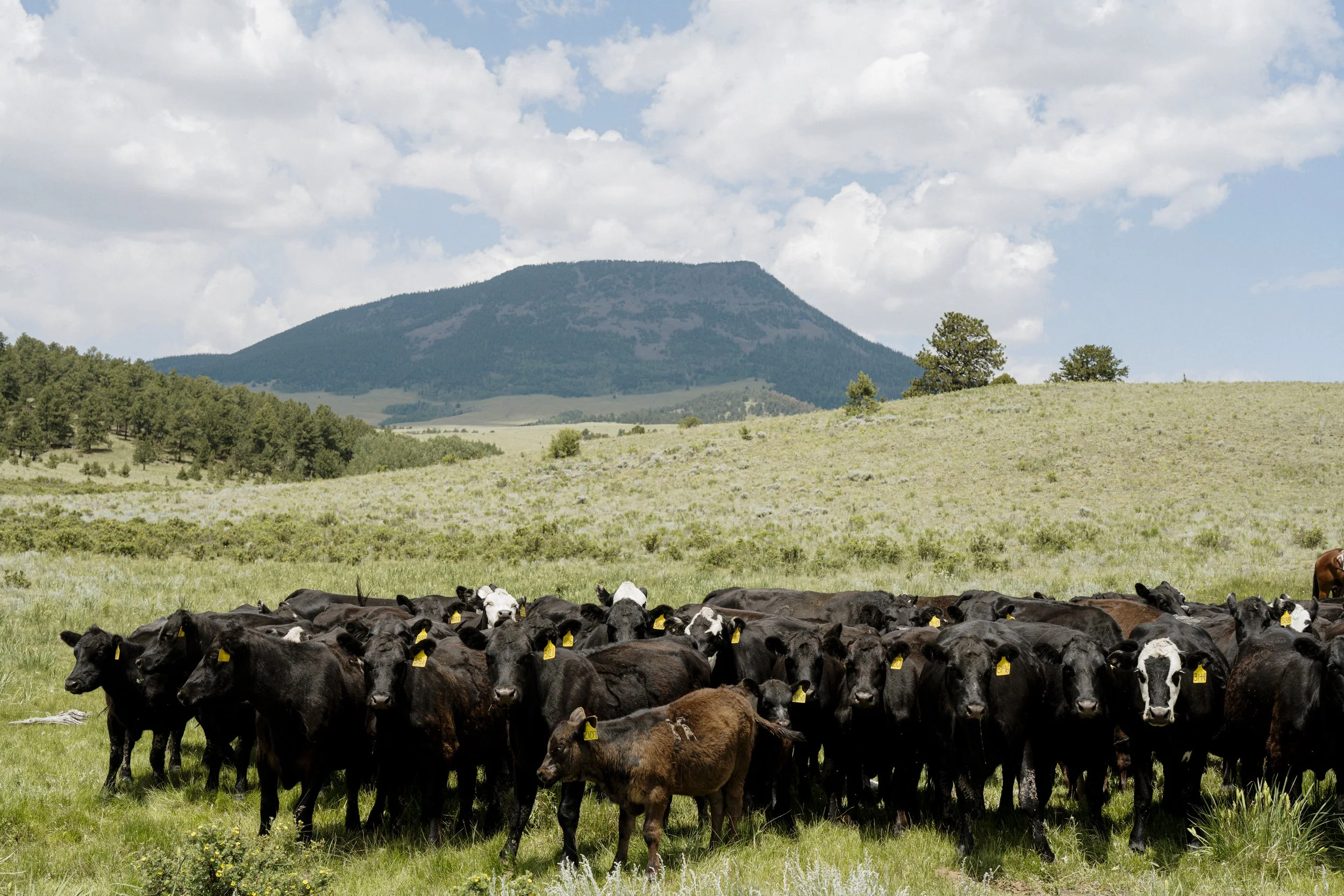
Model 3: Tenant Rancher / Lease Arrangement
In this model, another rancher leases your property and operates it, usually running their own cattle on your land.
How It Works
You lease the ranch to an established rancher who:
Pays you annual rent (cash or percentage of revenue)
Runs their own cattle operation on your property
Handles all operational management
Maintains basic infrastructure
May have rights to hay production, improvements, etc.
You retain land ownership but have minimal operational involvement.
Cost Structure
Lease income typically ranges from:
Cash rent: $20-50+ per acre annually, depending on region and productivity or a cost per AUM
Revenue share: 1/3 to landlord, 2/3 to operator (or similar arrangements)
Flexible arrangements: Combination of cash and percentage
Your costs are primarily:
Property taxes
Insurance
Major capital improvements (often negotiated with tenant)
Property management/oversight if needed
Advantages
Positive Cash Flow: You're receiving income, not paying management costs.
Minimal Involvement: Tenant handles everything operational.
Lower Risk: Operational risk transfers largely to the tenant.
No Labor Management: You're not hiring employees or managing people.
Simplicity: Relatively straightforward arrangement compared to direct operation.
Disadvantages
Loss of Control: Your input on operations is minimal to none.
Potential Property Degradation: Tenants may prioritize short-term gain over long-term stewardship.
Limited Upside: You're not capturing the full economic potential of the ranch.
Relationship Risk: Difficult tenants can be hard to remove.
No Personal Use: Your ability to use the property (hunting, recreation, family visits) may be constrained.
Variable Tenant Quality: Finding good tenant ranchers is challenging.
Infrastructure Responsibility: Major improvements still fall to you, but tenant may not maintain adequately.
Best For
Owners prioritizing cash flow over operational control
Those unable or unwilling to manage operations
Properties purchased primarily for appreciation/investment
Owners with minimal ranching knowledge or interest
Transition situations (holding property while deciding long-term plans)
What Can Go Wrong
Tenant overgrazes or mismanages the land
Tenant fails to maintain infrastructure adequately
Conflict over improvements, repairs, or property use
Difficulty removing problematic tenants
Market changes making lease rates unsustainable
Your inability to use/enjoy the property you own
Hybrid Models and Variations
Some owners create hybrid approaches:
Professional Management for Livestock + You Handle Infrastructure: Management company runs cattle operation while you oversee capital improvements.
Seasonal Management: Professional management during critical periods (calving, weaning) with minimal oversight during slower seasons.
Consultant GM Approach: Ranch management company hires employees and sets goals but does not directly manage the on-the-ground employees. They check in once yearly to make sure things are on-target and to update plans. This is a more affordable way to work with a ranch management firm but doesn’t have all the perks of a retained approach.
Consulting Board Approach: A dedicated ranch manager who then hires additional experts or contractors to handle things like hunting, herd improvement, etc. This is less common and we don’t recommend it except for in very specific circumstances due to the lack of continuity and holistic planning.
How to Choose the Right Model
Ask yourself these questions:
Time and Involvement
How often will you realistically visit? (Monthly, quarterly, annually?)
How much time can you dedicate to ranch oversight?
Do you want to be involved in operational decisions?
What level of decision-making are you qualified to do well?
Knowledge and Experience
Do you have ranching background or agricultural knowledge?
Can you assess operational performance and manager quality?
Do you understand enough to make informed decisions about the operation?
Financial Priorities
Is operational excellence your priority or would you prefer to simply receive a payment each year?
Are you willing to invest in management to protect asset value?
What's your budget for management versus operating costs?
Risk Tolerance
How comfortable are you with operational risk?
What happens if management fails or an employee leaves?
Can you handle unexpected costs or challenges?
Goals for the Ranch
Is this primarily investment, legacy, recreation, or combination?
Do you want active improvement of the property?
How important is operational performance versus just ownership?
Your Decision-Making Tendencies
Do you prefer direct control or professional delegation?
Are you comfortable trusting others with significant decisions?
Do you want strategic input or just execution?
The Model That Usually Fails
The most common failure mode is the cheap hybrid: trying to run a ranch from a distance without investing in proper management, cobbling together part-time help, neighbors, and occasional visits.
This approach:
Combines the disadvantages of all models
Delivers the benefits of none
Almost always costs more than professional management once you account for poor performance, deferred maintenance, and opportunity costs
Creates stress and disappointment
If you're going to own a ranch as an absentee owner, commit to one of the three real models rather than trying to manage on the cheap.
Our Recommendation for Serious Owners
For absentee owners who:
Have significant investment in the property
Want professional operation and reporting
Prioritize long-term asset value and performance
Visit quarterly or less
Lack extensive ranching background
Full professional management (Model 1) is almost always the right answer.
The additional cost over Model 2 is modest compared to the risk reduction, expertise gained, and performance improvement. The management fee pays for itself in avoided losses and improved operations.
For owners who:
Visit monthly or more
Have ranching knowledge
Want hands-on involvement in decisions
Enjoy the direct relationship
Ranch manager + owner oversight (Model 2) can work well—but only with excellent hiring and consistent oversight.
For owners who:
Prioritize cash flow over operational control
Have limited interest in active management
Are willing to sacrifice upside for simplicity
Tenant arrangements (Model 3) make sense—but with very careful tenant selection and clear lease terms.
Working with JRC Ranch Management
At JRC Ranch Management and Consulting, we specialize both in Model 1: full professional management for absentee owners who expect operational excellence, and Model 2, where we help you select a quality ranch manager and potentially build strategic plans or lower levels of oversight on a consulting basis.
We provide:
Comprehensive ranch operations management
Vetted partners and established systems
Transparent financial reporting and accountability
Strategic planning aligned with your goals
Peace of mind that your investment is being operated professionally
We understand that distance requires superior management, not corner-cutting. Your ranch deserves professional operation regardless of where you live.
Evaluating management options for your ranch? Contact JRC Ranch Management and Consulting to discuss which model best fits your goals and how we support absentee owners.
