
The Western Portfolio: Why Successful People Own Ranches
You've built wealth through businesses, investments, and disciplined capital allocation. You understand asset classes, portfolio diversification, and risk-adjusted returns. You can read a balance sheet, evaluate an investment thesis, and calculate internal rates of return in your sleep.
So why are you seriously considering purchasing a working ranch in the western US?
Because some investments go far beyond a spreadsheet. The most successful people we work with understand that a ranch represents something unique in a modern portfolio: an asset that delivers financial returns, generational legacy, personal meaning, and tangible connection to something larger than capital appreciation.
Here's why ranches occupy a distinctive place in the portfolios—and lives—of accomplished individuals.
The Financial Case: Real Assets in an Uncertain World
Agricultural Real Estate as an Asset Class
Ranches offer several investment characteristics that make sense as part of a diversified investment portfolio:
Inflation Hedge: Land and productive agricultural assets historically track or exceed inflation. As input costs rise, so do commodity values. Your ranch's replacement cost increases with inflation, supporting asset value.
Non-Correlation: Ranch values and agricultural returns don't move in lockstep with equity markets or bonds. When public markets experience volatility, your ranch continues producing cattle, improving through stewardship, and appreciating based on fundamentals largely independent of the S&P 500.
Scarcity Premium: They're not making more land, especially in the western US. Quality ranches in desirable locations with strong water rights, productive capacity, and recreational attributes become scarcer every year. Scarcity drives long-term value.
Multiple Return Streams: Well-managed ranches generate returns through livestock operations, land appreciation, conservation easement opportunities, recreational leasing, timber or mineral rights, and tax advantages. This diversification within a single asset is unusual.
The Tax Efficiency Advantage
Agricultural operations offer legitimate tax planning opportunities unavailable in most asset classes:
Agricultural property tax classifications (often significantly below residential/commercial rates)
Depreciation on livestock, equipment, and improvements
Operating expense deductions against ranch income
Conservation easement donation opportunities
Estate planning advantages for agricultural assets
Potential for 1031 exchanges in ranch real estate
Your accountant can structure ranch ownership to optimize tax efficiency while maintaining operational and estate planning flexibility.
The Appreciation Story
Quality Western ranches have demonstrated strong long-term appreciation, often outpacing inflation and sometimes rivaling equity returns—while providing the additional benefits we'll discuss below. The combination of limited supply, increasing demand from buyers, recreation value, and productive capacity creates appreciation pressure that has persisted across decades.
Beyond Financial Returns: What Ranches Actually Provide
But if you only wanted financial returns, you'd buy REITs or farmland funds. The ranch purchase you're contemplating represents something else.
Generational Wealth with Meaning
You can leave your children stocks and bonds. Or you can leave them a ranch. (Or, you know, both.)
Ranches represent a specific, tangible piece of the American West where your family name is on the land, where your grandchildren will ride horses and learn about stewardship, where family gatherings occur against mountain backdrops rather than in hotels.
Generational wealth is important. Generational meaning is priceless.
The best ranch owning families ranches develop a connection to place, a land ethic, an appreciation for productive work, and a shared identity—even if they aren’t involved in the running of the ranch and do not live there full-time. Ask any third-generation ranch family what their land means, and you won't hear about cap rates. You'll hear about identity, responsibility, and belonging to something larger than themselves.
You're establishing that for your family. The financial value transfers. The meaning accumulates over generations.
The Tangible in an Intangible World
Your primary wealth likely exists as digital entries: stock certificates, bank balances, fund positions, business valuations. All valuable, all important, all essentially abstract.
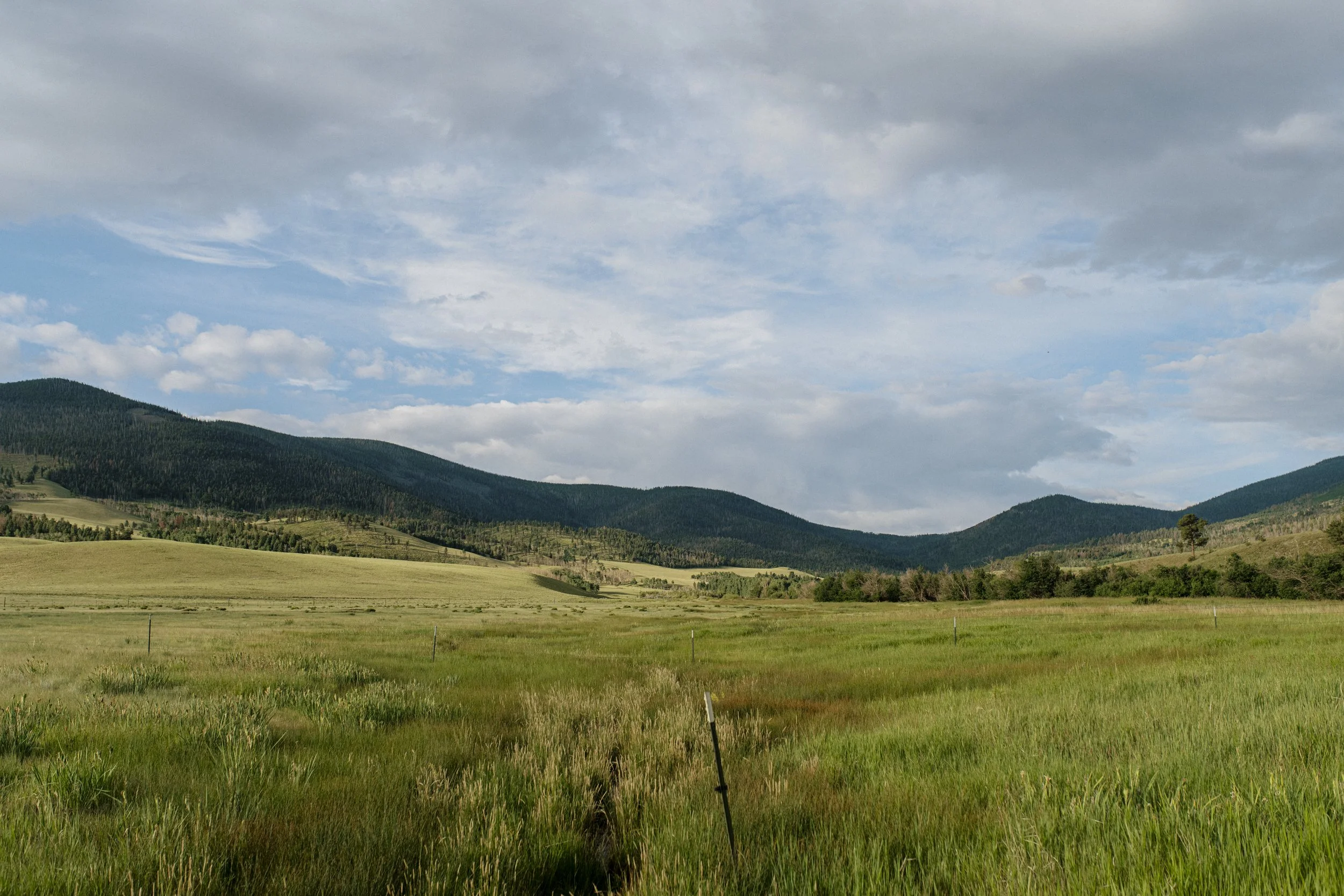
A ranch is thousands of acres of actual ground. Water flowing from springs that have run for millennia. Cattle with your brand. Grass growing under real sun. Tangible things you can touch, see, smell, and feel.
In an increasingly virtual world, ownership of something this tangible, this real, provides psychological grounding that's difficult to quantify but impossible to replicate. .
Conservation and Stewardship Legacy
Ranches represent one of the most effective conservation strategies for Western landscapes. Working ranches preserve open space, protect wildlife habitat, maintain watershed health, and prevent subdivision and development.
As a ranch owner, you become a steward of a significant piece of the West. Professional management ensures your land improves under your ownership—better range condition, enhanced wildlife habitat, protected water resources, and conserved viewsheds.
Many successful ranch owners find this stewardship role deeply satisfying. You're not just holding an asset; you're actively protecting and improving a piece of the American landscape. For many, this sense of contribution transcends the financial returns entirely.
The Identity and Experience
Ownership of a Western ranch carries cultural weight. It connects you to American heritage, Western tradition, and a way of life that represents independence, competence, and connection to the land.
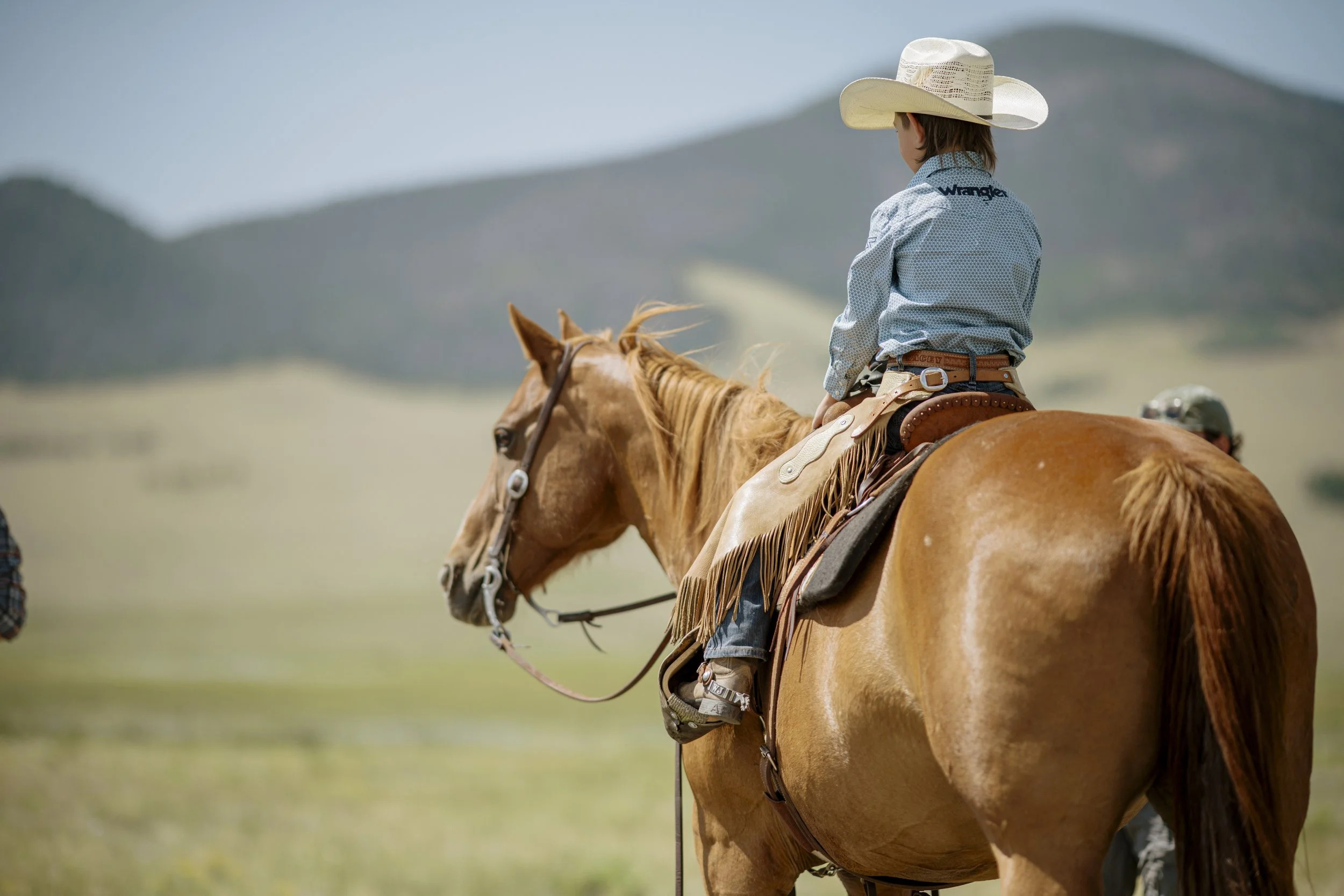
You're not farming soybeans in Iowa (no disrespect to soybean farmers). You're running cattle in the same valleys where ranchers have worked for 150 years. The iconography matters. The identity resonates. Nothing represents the West like the cowboy.
Beyond identity, ranches provide experiences impossible to replicate:
Elk hunting on your own property
Family hiking trips into your woods
Fishing your private water
Teaching grandchildren to ride on your own horses
Hosting friends and clients in an authentic Western setting
Creating traditions grounded in place and season
These experiences aren't incidental benefits—for many owners, they're the primary return on investment.
The Ownership Models That Work
You're not retiring to ranch full-time. You have businesses to run, boards to sit on, and a life that doesn't fit into a bunkhouse year-round.
And, at scale, ranching isn’t a hobby. It’s a profession, and as such, hiring a professional is essential. The successful absentee ranch ownership model includes:
Professional ranch management that operates the property to high standards, whether you're present or not
Strategic involvement where you are involved as much or as little as you like to set vision and long-term goals
Family programming that brings kids and grandchildren to the ranch for experiences that matter
Recreation management that allows you to experience hunting, fishing, and other activities (and make a business out of it, if you like.)
Financial discipline that ensures the ranch operates efficiently and transparently
You own the asset, define the vision, and enjoy the benefits. Professionals handle daily operations, livestock management, infrastructure maintenance, and the thousand details that make ranching work, while also coming alongside you to build strategic long-term plans to ensure the ranch will run well far into the future.
This model allows you to capture all the values of ranch ownership without attempting to run cattle operations from Dallas, Denver, or San Francisco.
What Makes Ranch Ownership Worth It
We work with ranch owners across the wealth spectrum. The ones who find ranch ownership most valuable share common perspectives:
They view ranches as multi-generational assets, not short-term investments. Ranch values compound over decades, not quarters.
They appreciate returns beyond IRR. The ranch that generates 3% cash flow but provides incredible family experiences, conservation impact, and land appreciation may deliver better total value than the stock portfolio returning 8%.
They value tangible over abstract. Owning real assets with intrinsic value provides diversification and psychological benefit.
They want legacy with meaning. Their children might not remember the family investment portfolio, but they'll never forget the ranch.
They recognize that some things can't be recreated. You can't buy your way into a 150-year ranch legacy, but you can start one.
They understand the value of professional management. High-quality ranch management isn’t something that anybody can do, but it is essential for long-term success and higher-than-average asset appreciation. When an owner can rely on a highly qualified ranch manager to do what they do best, it’s the most successful partnership.
The Decision Framework
If you're considering ranch ownership, ask yourself:
Do I value tangible assets with intrinsic worth beyond financial returns?
Am I thinking in decades, not years?
Does the idea of land stewardship resonate with my values?
Do I want to create a place that defines family identity across generations?
Am I prepared to engage professional management to run the operation properly?
Can I accept that ranches require patient capital and long-term thinking?
If these resonate, ranch ownership likely fits your portfolio and your life.
Why This Matters Now
Quality Western ranches with strong fundamentals—good water, productive range, recreation value, competent improvements—continue to attract serious buyers. The supply of such properties is limited and declining as ranches are subdivided, developed, or locked into long-term family ownership.
The opportunity to acquire a significant Western ranch exists today. Whether it will in 20 years is less certain.
Working with JRC Ranch Management
At JRC Ranch Management and Consulting, we work exclusively with ranch owners who understand that professional management is essential to successful absentee ownership. We provide:
Comprehensive ranch operations management
Financial discipline and transparent reporting
Stewardship that improves land condition and asset value
Experience designing ownership models that deliver the returns—financial and otherwise—you're seeking
Understanding that your ranch is both an investment and a legacy
We've helped successful individuals across industries become successful ranch owners. We understand what you're building because we've helped others build it.
The Western portfolio isn't complete with just stocks, bonds, and real estate. The ranch is the piece that grounds everything else—the tangible, the meaningful, the legacy that lasts.
Exploring ranch ownership as part of your investment strategy and family legacy? Contact JRC Ranch Management and Consulting to discuss how we support successful absentee ranch owners.
