The Trap of “This is How We’ve Always Done It.”
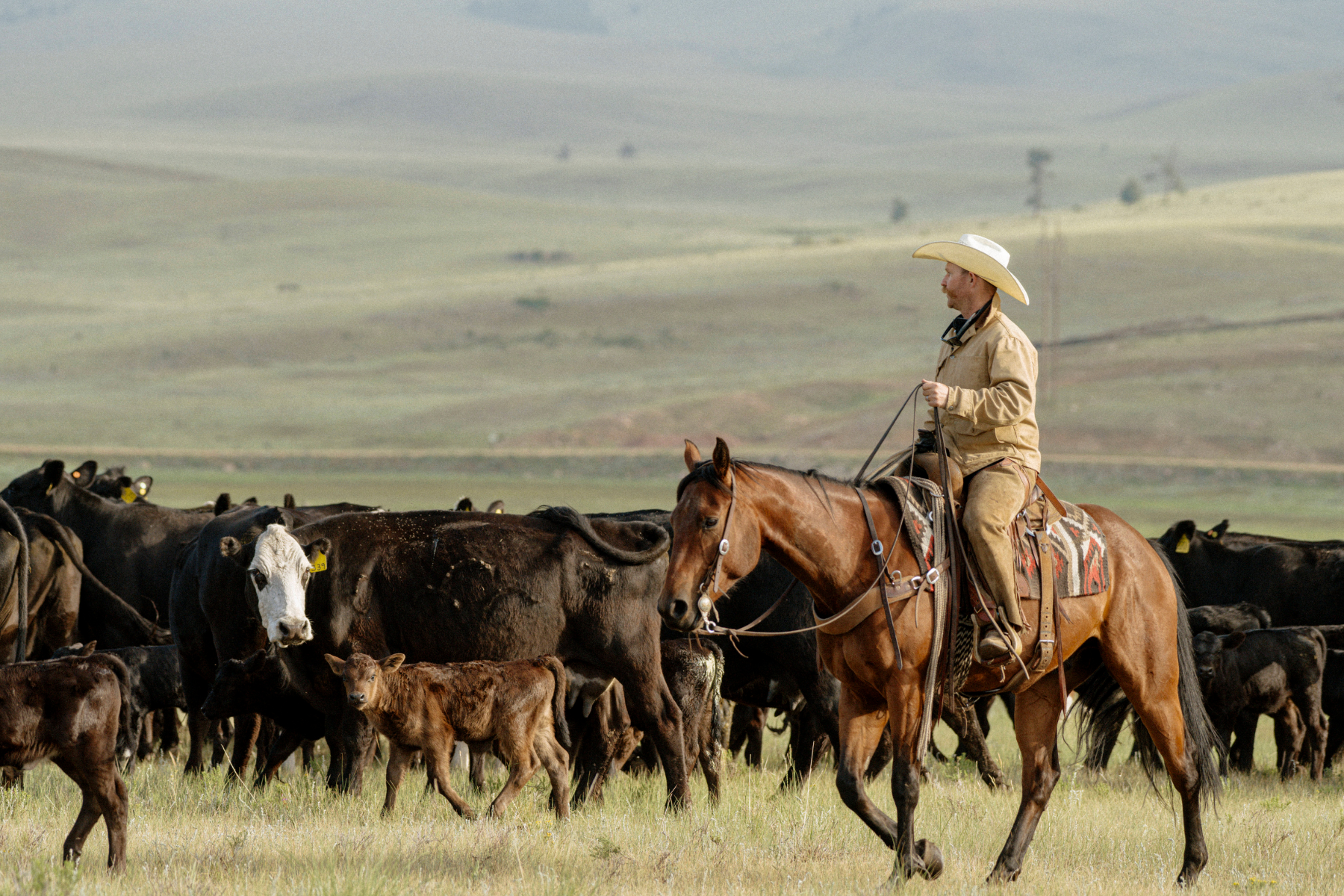
Ranching is a deeply traditional business. Even on operations with newer ownership, long-standing habits carry a lot of weight — sometimes because they’ve worked for decades, sometimes because they were passed down by people we respect, and sometimes simply because change feels risky in a business where the margins are thin, and the stakes are high.
And to be clear: tradition isn’t the enemy. At JRC, we value it. Tradition holds a lot of hard-earned wisdom.
But tradition becomes a problem when it turns into a default — when the only explanation for a decision is, “This is how we’ve always done it.”
Progressive Traditional: Keep What Works. Change What Doesn’t.
Our philosophy is what we call Progressive Traditional management.
That means:
Keep the practices that are proven, profitable, and fit the land.
Question the ones that no longer serve the operation.
Stay open to new tools, systems, and approaches that improve outcomes — without chasing shiny objects.
In other words: respect the past, but don’t let it be the only criteria for the future.
When “Always” Gets Expensive
“The way we’ve always done it” often shows up in subtle but costly ways:
Grazing plans that don’t adjust to changing rainfall patterns—“We’ve always kept heifers in that pasture until the 4th of July.”
Equipment choices driven by familiarity instead of total cost of ownership—yes, that cake truck has been on the operation since 1973, but maybe it’s time for it to be the backup and not the main.
Labor structures built around personalities instead of clear roles and systems—sure, there’s always been a family member in charge, but what happens when no one wants to lead?
Reporting that’s informal because “we can tell how things are going.”—can you really, though?
None of these decisions are inherently wrong. They become expensive when they go unexamined.
If the only justification for a practice is history — not performance, not cost, not outcomes — it’s worth revisiting.
The Question We Ask Instead
A better question than “What have we always done?” is:
Is this still the best option for this land, this market, and this team — right now?
That question creates room for:
Adapting to volatile input costs, market changes, and the weather
Using technology where it genuinely saves time or labor.
Adjusting management systems as operations scale or ownership structures change.
Progress doesn’t require abandoning values. It requires alignment and continuous assessment.
Tradition Plus Intentional Management Wins
The most successful ranches we work with aren’t chasing trends, but they also aren’t stuck defending decisions that no longer pencil. We’re not ranching to 1980’s market, or last year’s rainfall, after all.
They know:
Tradition is a foundation, not a ceiling.
Flexibility is a competitive advantage.
Good management evolves as conditions change.
At JRC, our role is to help ranch owners and operators evaluate what’s working, identify what’s quietly costing them, and build systems that support both the legacy and the future of the operation.
Because “this is how we’ve always done it” isn’t a strategy.