Housing, Hiring, and Keeping Good Help
Labor is one of the most consistent (and costly) challenges in ranch management. Good help is hard to find, but even harder to keep if your ranch housing is sub-par. In today’s ranching world, housing is often the deciding factor between a “Yes, I’ll take the job!” and “No, absolutely not.”
Housing Matters
If your crew can’t live comfortably, they won’t stay. It’s that simple.
Ranch housing doesn’t need to be fancy, but it should be safe, clean, and functional. Reliable heating and cooling, solid insulation, and working appliances are (bare) minimum standards, but many operations don’t even reach those. There is nothing worse than coming in from a long day of work and not having basic comforts, and is a great way to fast-track retention and turnover.
The goal is to create housing that reflects pride in your operation and respect for the people who make it run, day in and day out. Modular homes, renovated bunkhouses, or small rental units can all work when they’re maintained and designed for comfort and practicality.
What Makes Housing “Good?”
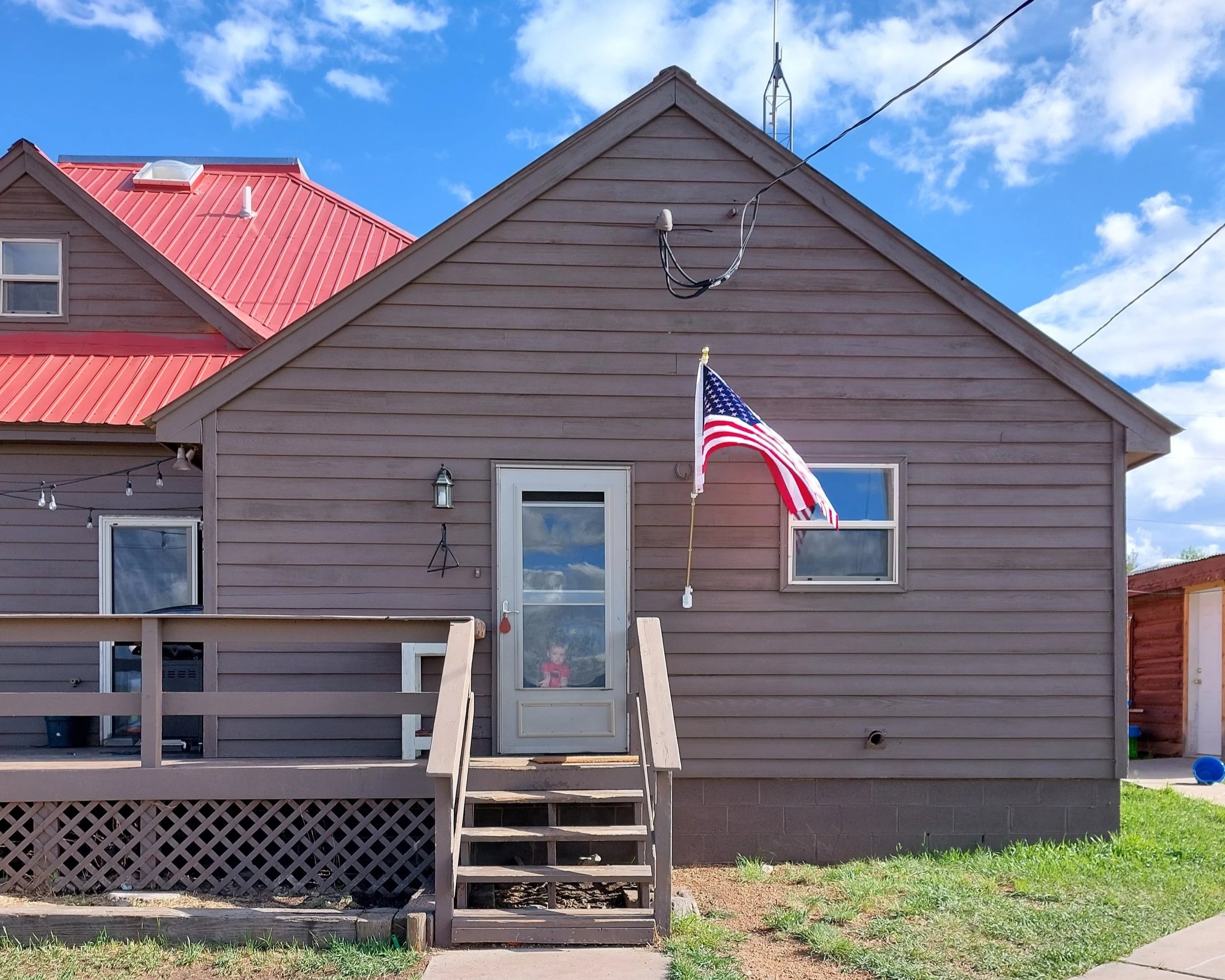
We get this question a lot, and it’s very simple: good housing is warm (or cool), comfortable, updated, solid, and safe, with room to house the kinds of people that you’re hoping to attract.
Families need family housing with enough bedrooms and play areas for kids. For ranch hands who aren’t married yet or who are just getting started, smaller, simpler homes are just fine. Housing for seasonal help can look like summer cabins, apartments above the barn or shop, or bunkhouses.
This doesn’t mean showroom-ready homes. This means homes that people can feet at home in, that are updated on a regular basis (the amount of 50-year-old linoleum, broken windows, decades-old appliances, and ancient carpet we’ve seen is shocking.)
Think about what you’d like in a home, or what you’d like your children to have: somewhere that is weather-tight, with room to relax, and safe. If you wouldn’t live in it, or wouldn’t ask your spouse or children to live in it, then it’s not appropriate for your employees.
And, when your housing is poor, it sends the message that not only do you not care about your employees, you don’t care about the ranch. What kinds of people is that going to attract? Not good ones.
What Makes Housing “Great?”
The best ranch owners go way beyond “good” and head for great. They want their employees to not only be safe and comfortable, but to enjoy where they live and take pride in it. This looks like more frequent updates, replacing appliances and windows regularly, fixing problems immediately, and roping in employees and their families on what improvements would be helpful. Sometimes it’s as simple as “This door never closes right and lets in cold air, can we get a storm door?”
Solid ROI
Housing has a direct effect on the kinds of people who will come work for you. Think about it: do you want someone who’s happy to have their family living in a two-bedroom trailer straight out of 1970? Probably not. Employees who have higher standards for housing (again, we’re not talking Martha Stewart here, just well-maintained, safe, and comfortable) will have higher standards for themselves and their work.
It may seem like having poorly-maintained housing is the cheaper route, but long-term, having high-quality housing for high-quality employees will pay off in spades (and dollars, and effiency, and fewer headaches.)