Structure Isn’t Soulless: Why Good Ranches Plan for Human Reality
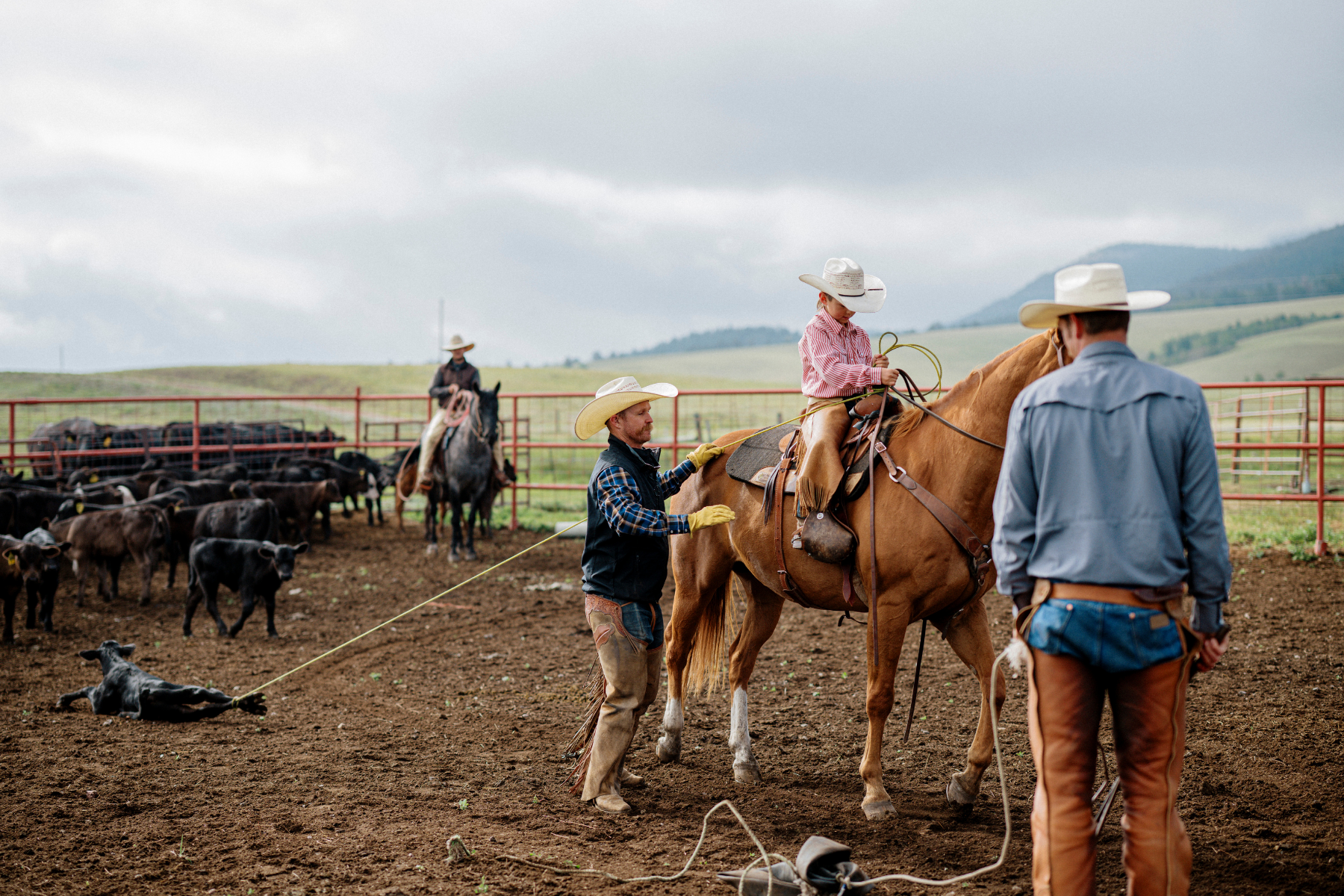
Ranching prides itself on being “not corporate.” Independent. Gritty. Personal.
And often, that’s a good thing.
But too often, “not corporate” gets used as cover for something else: a lack of planning and structure.
This most often rears its ugly head as pressure on employees when life (or weather, or cows with an agenda antithetical to yours) happens. Because here’s the reality ranching doesn’t like to admit: some of the most human responses in the beef business come from the most structured operations.
When Structure Makes Compassion Possible
A close friend of mine works for a large corporate feeder. Recently, her baby was hospitalized with a severe respiratory virus. It was serious — like, flown on a helicopter to the nearest Children’s Hospital. The kind of situation where nothing else matters.
Her employer’s and coworkers’ responses were simple: Do not come in. Don’t bring your laptop. Stay with your boy. We’ve got it covered.
And they did.
Her coworkers stepped in. Her duties were covered. Not because people were guilted into it, but because the systems already existed to absorb disruption, and because of the culture of the operation.
That wasn’t softness. That was preparation, humanity, and recognizing that employees are more than a cog in a machine.
When “We’re Not Corporate” Becomes an Excuse
Early in our career, Bert was hospitalized for a week with E. coli. He was very sick. I stayed with him, as anyone would. The ranch we worked for wasn’t busy. They didn’t need both of us on-site.
Still, the messages and calls kept coming: When are you coming back? We need you here. Not just for me, but for Bert. You know, the super sick kid lying in the hospital bed.
They didn’t ask neighbors for help.
They didn’t shuffle schedules.
They didn’t pause to assess what was actually required.
That story is extreme — but the dynamic is not.
When ranches say they “can’t afford” for someone to be gone, what they usually mean is they haven’t planned for it and they expect the ranch to come first in every circumstance.
That’s not how reality works. Yes, cattle need care regardless of the day of the week or the weather, especially in the winter when we’re feeding cattle every day. But sometimes other things (like emergencies, once-in-a-lifetime events, illness) take precedence, and it’s a good manager’s job to recognize and understand that.
“Corporate Has More People” Isn’t the Point
This is where the common defense shows up: Well, corporate outfits have more people to step in. Ranches don’t.
That misses the point.
Planning for human reality doesn’t require a bench of full-time employees. It requires options.
Ranches absolutely have options:
Hiring short-term or day help
Asking neighbors for support (the same neighbors you help during branding or calving)
Shuffling schedules or priorities
Cross-training so one person isn’t a single point of failure
Letting some things wait — because not everything is an emergency
Most ranches don’t lack those kinds of resources. They lack intentional networks and contingency plans and/or they’ve failed to cultivate a quality network of neighbors and friends.
Fragile Operations Hurt People
Here’s the hard truth: Operations that can’t tolerate normal human disruptions are fragile by design.
Fragility shows up as:
Pressure on employees to return before they should
Guilt framed as loyalty
Unspoken penalties for prioritizing family or health
High turnover and burned bridges (how long do you think we or anyone else stayed working for that operation above?)
And here’s another dynamic we need to name: On many ranches, owners or managers can take time off whenever they need to — especially on family operations. But when hired employees need reasonable time away, it suddenly becomes a problem.
That imbalance absolutely ruins trust.
When one person’s life is flexible, and another’s isn’t, the message is clear — whether it’s intended or not.
Uncomfy? Yep. But comfy doesn’t help us grow, and treating employees as second-class citizens impacts the bottom line in more ways than one.
What Good Ranches Do Instead
Good ranches don’t rely on heroics. They design for reality.
They:
Accept that people will occasionally be unavailable
Build neighbor and labor networks before emergencies
Cross-train so no one person is indispensable
Treat time off as part of employment, not a favor
Understand that fairness matters as much as efficiency
They know resilience isn’t just about grass, water, or cattle. It’s about people.
Structure Enables Humanity
The ability to say “Go take care of your family — we’ll figure it out” doesn’t come from being big or corporate.
It comes from structure. Structure creates flexibility, which creates trust, which keeps good people around.
Being “not corporate” doesn’t automatically make an operation better — or kinder.
Human-centered management isn’t corporate. It’s competent. And in a demanding, high-turnover business like ranching, competence is what keeps both people and operations intact when things go sideways.