Legacy Operation…or Liability?

Owning a ranch is an incredible privilege.
It’s also a massive responsibility.
For many landowners, the dream of wide-open spaces and generational stewardship can quickly turn into a burden if the ranch isn’t set up to run efficiently. The difference between a legacy operation and a liability almost always comes down to mindset, systems, and people.
Strategy First
Before you can improve anything, you need to define what success looks like. Establishing some ranch-appropriate KPIs will help you measure progress.
Is your property focused on cattle production, land conservation, recreation, or a mix of all three? Each path requires different infrastructure, staffing, and management priorities. What are your profit centers? Are there distinct operations and leadership for each, or are they all one cohesive unit?
A strategic operating plan ties those goals to daily decisions—everything from grazing rotations to financial investments—and keeps the ranch aligned even as leadership or markets change.
Build Professional Systems
Well-run operations don’t run on good intentions; they run on systems. That means having detailed grazing plans, infrastructure update/replacement schedules, financial tracking, and reporting processes in place. It doesn’t have to be bureaucratic (and most of the time, it shouldn’t be) but having simple, easy-to-follow systems in place helps keep everyone accountable and on the right track.
When you operate within clear frameworks, you avoid costly surprises, make better decisions faster, and can communicate performance to partners or family members with confidence.
Empower the Right People
People make the ranch work—and the right team can make all the difference. Good management means hiring people who not only have the skills but also buy into the mission of the operation. Define clear responsibilities, build trust, and create a feedback loop where everyone contributes ideas.
Measure What Matters
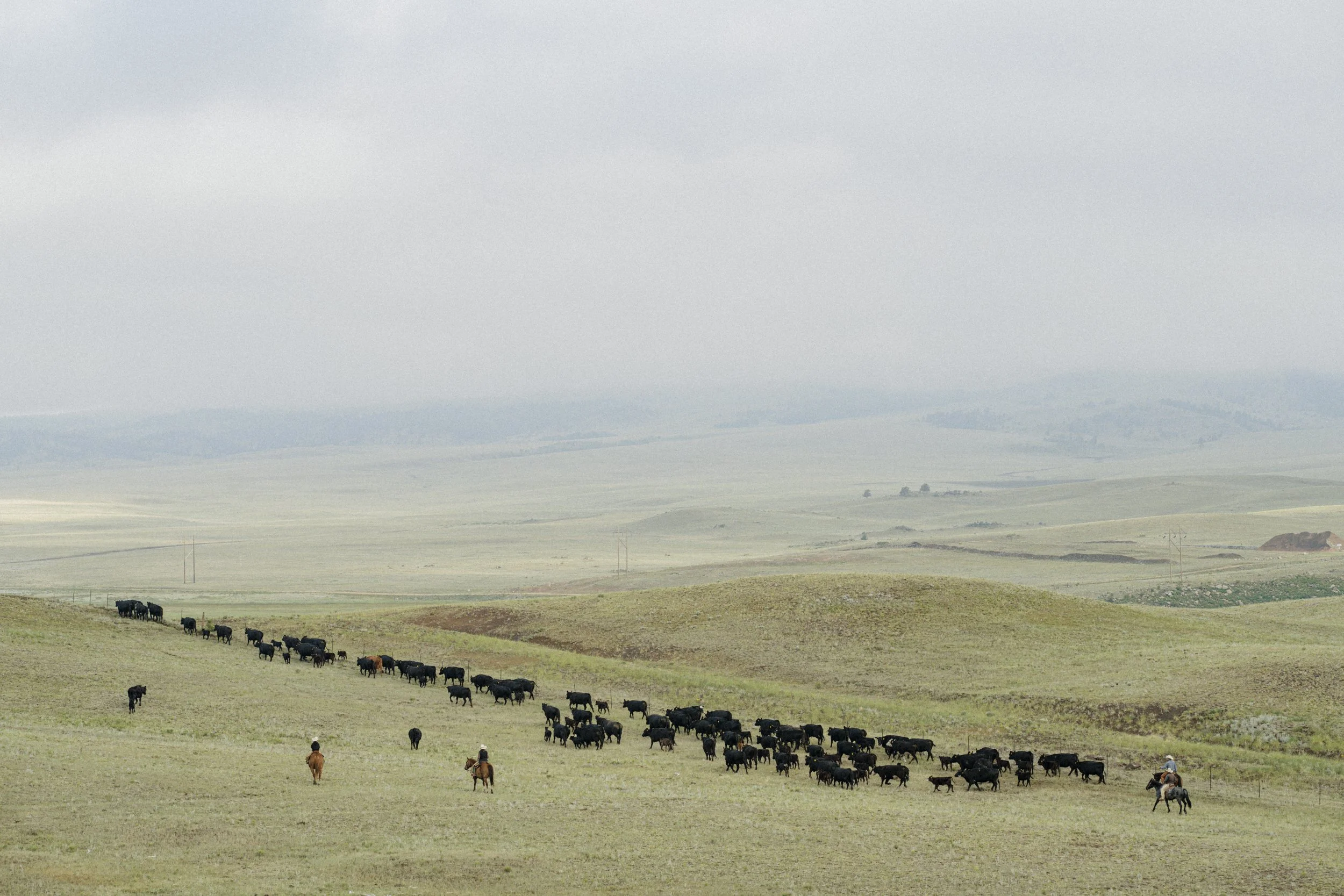
Every successful ranch measures performance, but not just in pounds weaned or acres grazed. Legacy operations also track soil health, water availability, pasture rest periods, employee satisfaction, and long-term financial trends. Data doesn’t replace experience—it refines it.
Plan for Transition
Even the best-run ranches can lose direction when leadership changes. Estate and succession planning aren’t just for large corporate operations; they protect continuity and values. Whether it’s transferring ownership to family, bringing in investors, or setting up management continuity for management changes, make it part of your strategy—not a last-minute scramble.
Legacy is a Verb
A legacy ranch isn’t one that simply survives—it’s one that thrives beyond its founders. Even if you don’t intend to own the ranch for 100 years, having a long-term mindset is crucial to avoid (often expensive) nonsense. With the right structure, people, and clarity of purpose, your property becomes more than an asset.