Understanding Ranch Cash Flow: Beyond the Listing Price
The ranch is gorgeous. The investment seems good. The price seems reasonable based on comparable sales. But here's the question that will determine whether this investment makes sense: What will this ranch actually generate in annual cash flow?
For many ranch buyers—particularly those new to agricultural operations—the disconnect between purchase price and operational reality comes as an expensive surprise. The listing price tells you what you'll pay to own the asset. Cash flow analysis tells you what it will cost to run it, and what it might return.
Even for an investment property, this is an important consideration because, ideally, while the ranching operations will likely never pay for the ranch’s purchase price, the ranching operation should pay for itself, including reasonable maintenance and capital improvements.
The Numbers That Aren't in the Listing
Real estate listings focus on asset value: dollars per acre, water rights, improvements, and amenities. What they don't show you is the operational economics that will define your ownership experience.
Revenue Reality Check
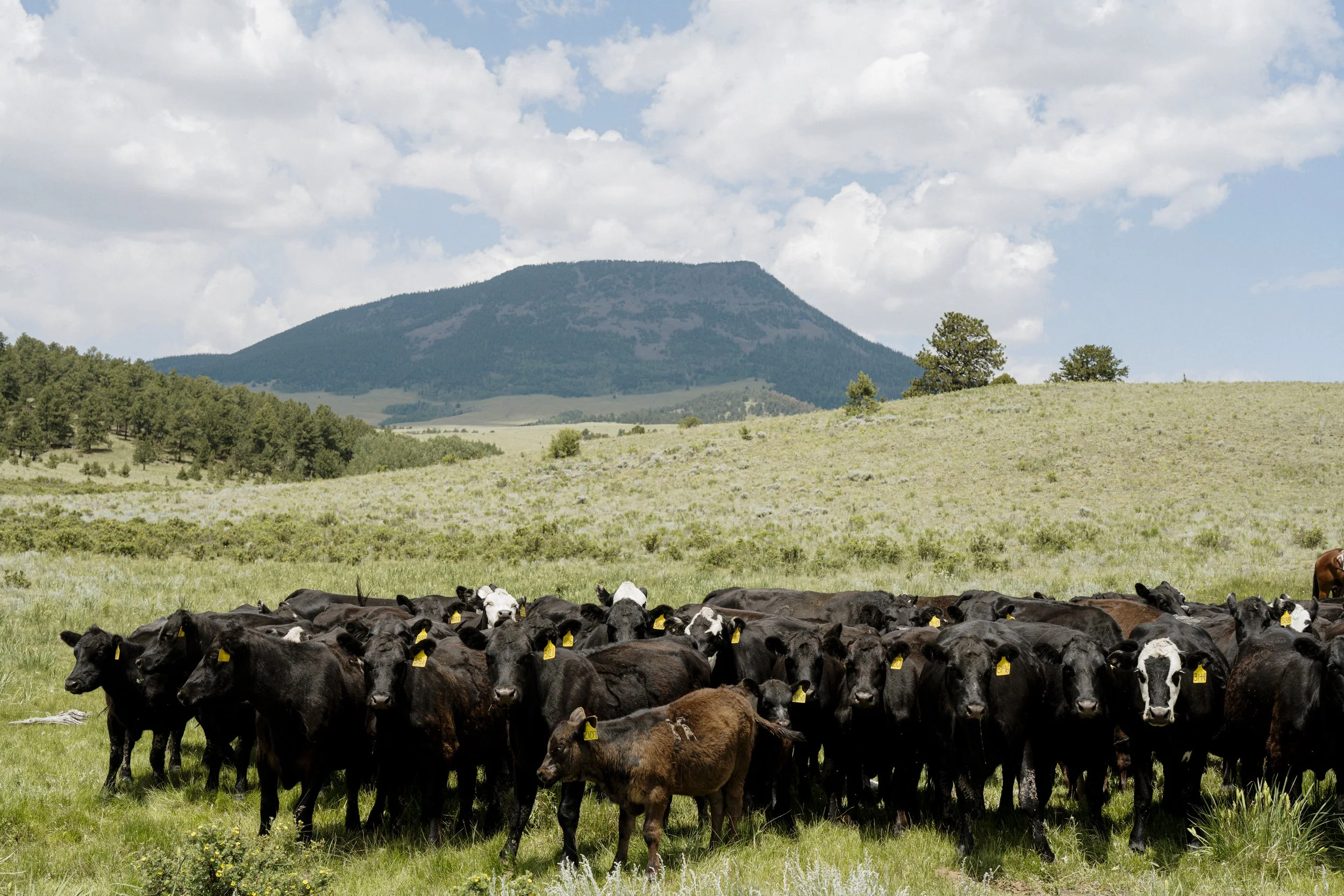
If the ranch runs, say, 400 cow-calf pairs, your revenue depends on multiple variables the listing won't address:
Weaning Weights and Percentages: A 90% weaning rate at 550 pounds per calf is dramatically different from 75% at 475 pounds. That difference could mean $150,000+ in annual revenue variance. And that 75% is far below industry standard, so what’s happening there?
Calf Quality and Marketability: Are these calves that command premium prices at sale, or are they discounted? Genetics, health programs, and management all impact the price per pound—often a $20-30 or more per hundredweight.
Replacement Rate: If you're keeping heifers to maintain herd size versus selling everything, your cash flow changes significantly.
The listing might mention the herd, but without understanding production metrics, you're guessing at 40-50% of your revenue equation.
The Cost Side: Where Assumptions Get Expensive
Most buyers dramatically underestimate operating costs. Here's what the listing won't tell you:
Feed and Supplement Costs: If the ranch is in the northern part of the country or in the mountains, does it produce enough hay to winter the herd, or will you be buying hundreds of tons annually? Does the haying operation even make sense? Which is the better choice? Mineral and protein supplements add another $15,000-$30,000 annually for a 400-head operation.
Labor Requirements: Can one person run this operation, or does it require multiple full-time employees plus seasonal help? Labor costs for a ranch this size could vary widely depending on the operation's efficiency and your involvement level.
Veterinary and Health Costs: Are these included in the budget? Think vaccine, antibiotics, and regular care like pregnancy checks, semen checks, Bangs vaccinations, etc.
Equipment Operating Costs: Fuel, maintenance, and repairs on tractors, trucks, and implements run $20,000-$40,000+ per year for an operation of this scale. What shape is the equipment in? Will it require a ton of repair or replacement?
Property Taxes and Insurance: These vary wildly by location but can easily run $25,000-$75,000 (or much more) annually.
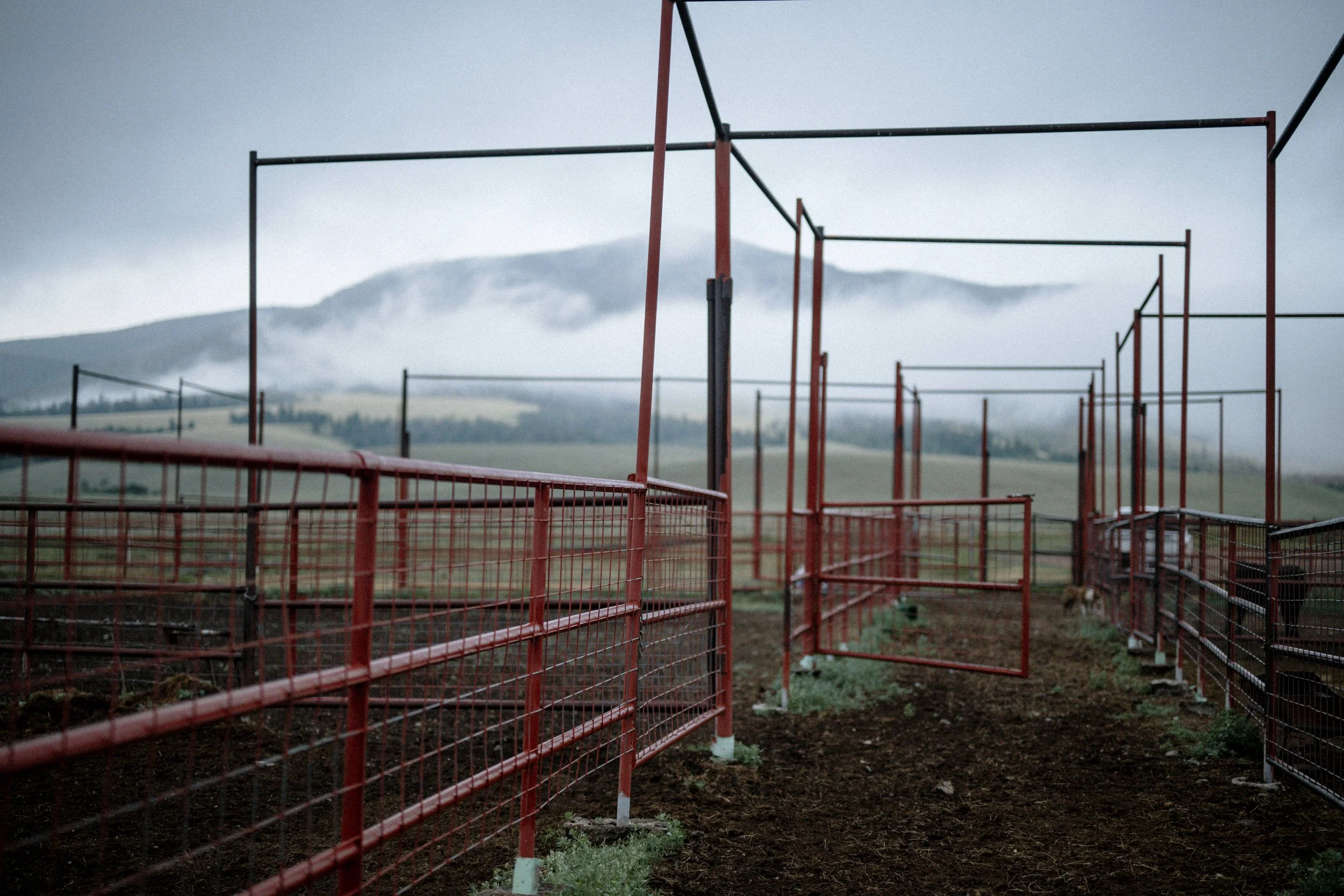
Infrastructure Maintenance: Fences don't repair themselves. Neither do water systems, corrals, or roads. Budget 2-3% of infrastructure value annually—potentially $30,000-$60,000. That number just goes up as acreage and complexity increase.
The Capital Expenditure Reality
Beyond annual operating costs, most ranches require ongoing capital investment:
Fence replacement on a rotation (15-20 year cycle means replacing 5-7% annually) or investment in virtual fencing systems
Equipment replacement (tractors, trucks, trailers, implements don't last forever)
Facility improvements and repairs including employee housing
Water system upgrades
Unexpected infrastructure failures
Bulls/genetics upgrades
These aren't operating costs that show up in annual budgets, but they're cash outlays that significantly impact your actual returns.
The Cash Flow Models You Need
Before you purchase, you need three financial projections:
1. Conservative Case: What does cash flow look like if cattle prices soften, the rain doesn’t come, weaning rates are slightly below average, and you encounter normal operational challenges? This is your "bad year" scenario.
2. Realistic Case: Based on actual operational assessment—not marketing materials—what can this ranch generate with competent management and average conditions?
3. Optimistic Case: With excellent management and favorable markets, what's possible? This helps you understand upside potential but shouldn't drive your purchase decision.
Many buyers make decisions based on optimistic projections and find themselves living the conservative case.
The Questions to Ask
When evaluating a ranch purchase, demand answers to:
What are the actual, documented weaning weights and percentages for the past 3-5 years?
What about other metrics: breed-up, calving percentage, death loss?
What are the complete annual operating costs, with documentation?
How much hay is produced versus purchased annually?
If hay is produced, what is the cost of the equipment, fuel, time, etc.?
What is the current labor structure and actual cost?
What capital expenditures have been required over the past five years? What will be needed in the next five?
Are there deferred maintenance items that will require immediate cash outlay?
Has the management been: supbar, adequate, or good?
If the seller can't or won't provide this information, that's a significant red flag—and a clear signal you need professional operational assessment.
Why This Matters More Than You Think
We've worked with buyers who discovered their "profitable ranch" actually generated negative cash flow once they accounted for their time, capital depreciation, cow herd replacement, and true operating costs. We've seen others who found their purchase penciled beautifully—because they had the operational data before closing.
The difference isn't luck. It's doing the financial analysis based on operational reality rather than listing-sheet assumptions.
Getting the Real Numbers
At JRC Ranch Management and Consulting, we don't just walk (and drive) the property, because that’s not enough. We build you a realistic financial model. We analyze actual production data, assess operational efficiencies, identify cost-reduction opportunities, and project realistic cash-flow scenarios. We help you understand not just what you're buying, but what it will take to run it successfully, and if there will be up-front investment for operational success, or if you are truly purchasing a well-run going concern.
Because the best time to understand a ranch's true economics isn't after you close. It's before you make an offer.
Need help understanding the operational economics of a ranch you're considering? Contact JRC Ranch Management and Consulting for a comprehensive real estate assessment.