
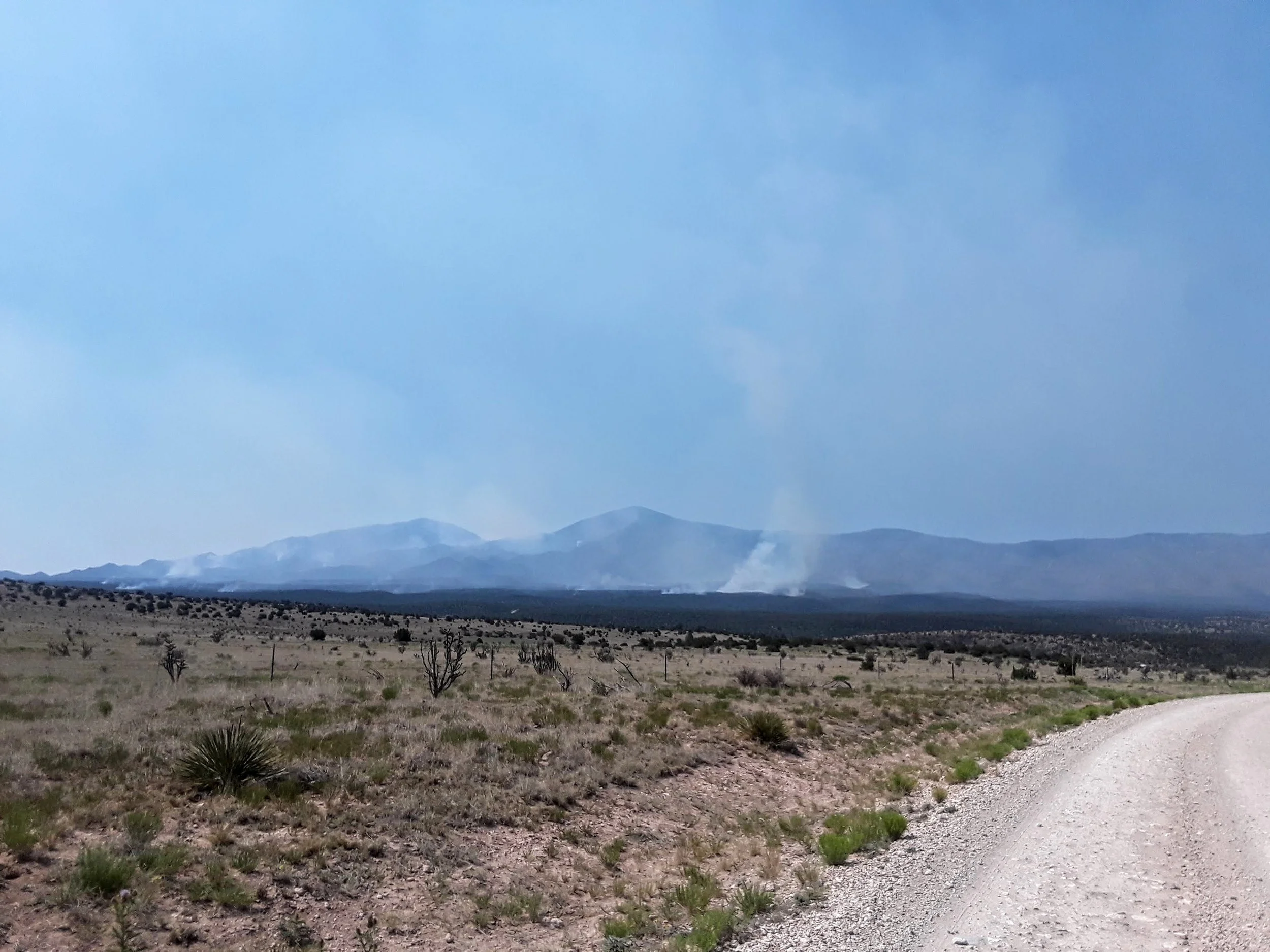
Wildfire season in the West isn't a possibility—it's a certainty. The question isn't whether fire will threaten your region, but when, and whether your ranch is prepared.
Unlike drought, which develops over months or years, wildfire can go from distant threat to immediate crisis in hours. You don't have time to figure out your response when the sky turns orange and the wind picks up.
Here’s what it looks like to be prepared for fire season.
The Two-Part Reality
Wildfire planning has two distinct phases that require completely different approaches:
Mitigation: What you do now, during fire season or before, to reduce vulnerability and improve defensibility.
Response: What do you do when fire is actually threatening? It’s crucial to have the decisions and actions for an active crisis.
You’ll fail if you leave either too late, and the results can be devastating.
Mitigation: Building Defensibility Before Fire Arrives
Defensible Space Around Structures
The critical zone (0-30 feet from buildings):
Remove all dead vegetation, dry grass, and brush
Clear pine needles and leaves from roofs and gutters
Remove firewood stacks (move 30+ feet away)
Trim tree branches to 10 feet from structures
Create mineral soil or gravel borders where possible
The buffer zone (30-100 feet):
Thin dense vegetation
Create separation between tree crowns
Mow grass to 4 inches or less
Remove ladder fuels (low branches allowing fire to climb into canopy)
If possible, make it easy for heavy equipment like bulldozers to dig fire lines around important structures. That will make it easier for firefighters (or your crew) to protect critical infrastructure quickly and with less risk to themselves.
This isn't cosmetic. This is the difference between structures that survive and structures that don't.
Water Access for Fire Suppression
Develop firefighting water sources:
Mark and map all ponds, tanks, and hydrants
Ensure access roads can accommodate fire engines
Install or verify dry hydrants on ponds
Maintain pumps and generators capable of supplying water
Keep firefighting equipment (hoses, nozzles) accessible and functional
The standard: 2,500+ gallons of readily accessible water with engine access. More is better. Keep your fire rig maintained and make sure all employees know how to operate it (you, too.)
Road Access and Evacuation Routes
Fire engines need access:
Minimum 12-foot-wide roads with 14-foot vertical clearance
Turnouts for passing every 400 feet
Bridges rated for 40,000+ pound vehicles
Gates wide enough and strong enough for fire apparatus, or spots where you can cut and pull back fence near roads to allow equipment access
You need evacuation routes:
Primary and alternate routes mapped and communicated
Routes maintained and passable year-round
Family and employees know routes without being told
Fuel Breaks and Fire Lines
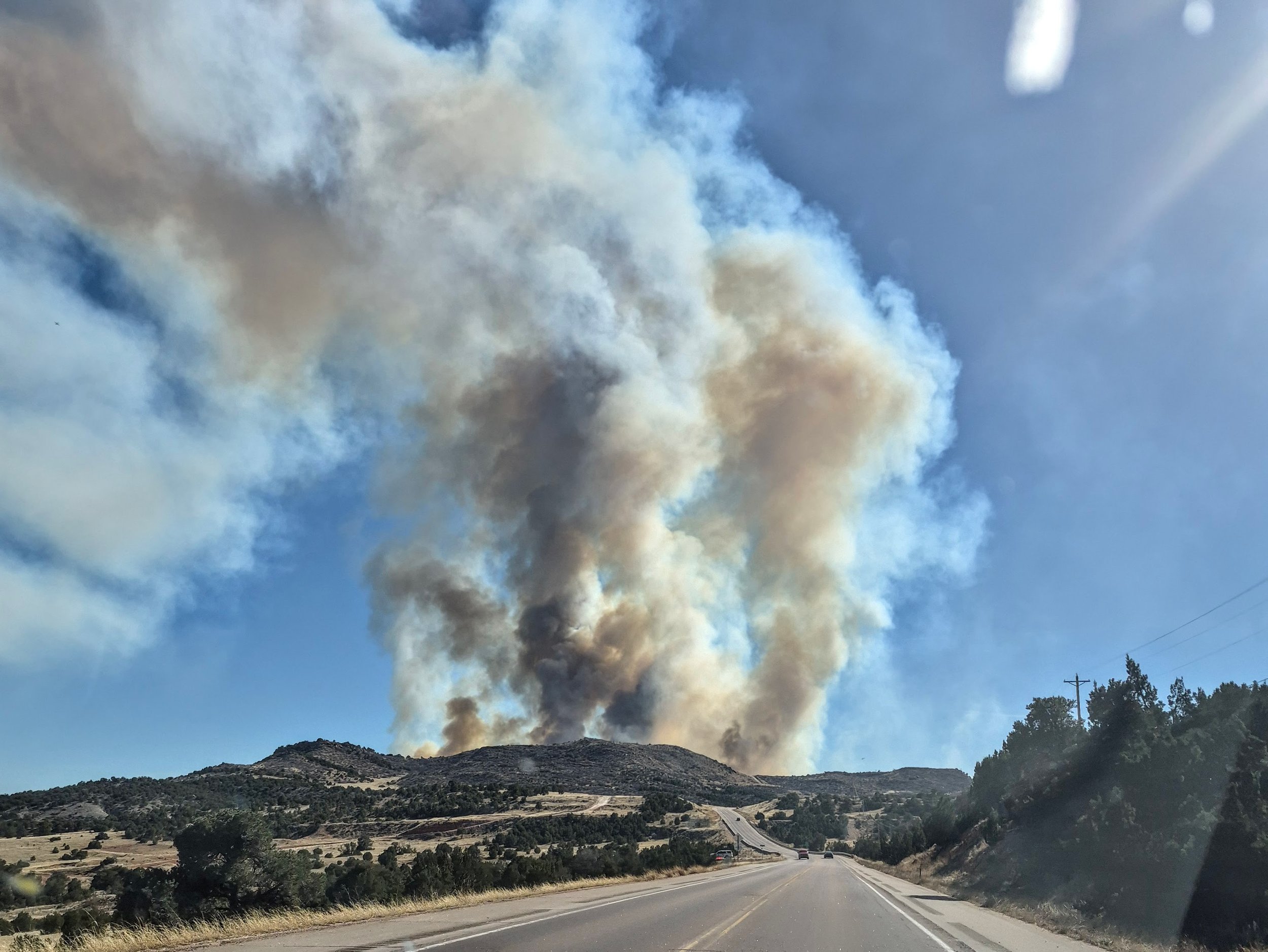
Strategic fuel breaks can stop or slow wildfire:
Mowed or grazed strips creating fire barriers
Roads and irrigated pastures as natural breaks
Maintained firebreaks around critical infrastructure
Coordination with neighbors on shared boundaries
Grazing can be a fire mitigation tool—managed correctly, cattle reduce fuel loads and create natural breaks.
The Wildfire Response Plan
When fire threatens, decisions happen fast. You need predetermined plans, not improvisation.
Livestock Evacuation Decision Tree
Predetermined triggers for action:
Level 1 (Be Ready): Monitor situation, prepare trailers, identify pastures away from threat
Level 2 (Be Set): Move livestock to predetermined safe pastures, load critical animals if possible
Level 3 (Go): Open gates to large safe pastures or evacuate entirely
The hard truth: In fast-moving fire, you may not have time to trailer hundreds of head. Your plan needs to account for this reality. Identify the fences to cut and the gates to open to allow livestock to get themselves to safety if they can.
Pre-identified options:
Large pastures with minimal fuel and good access to water
Agreements with neighbors for emergency pasture use
Protocols for opening gates to large, safer areas
Acceptance that in worst-case scenarios, livestock survival may depend on giving them space to flee
Equipment and Document Protection
Before fire season, secure or photograph:
Equipment titles and registrations
Insurance policies and contact information
Animal health records and ownership documentation
Financial records
Irreplaceable items (photos, heirlooms)
Store copies off-site or digitally. You can replace equipment; you can't replace documentation proving you owned it.
Make sure your employees carry renter’s insurance and a personal articles policy (or purchase it for them) and that they have also documented their personal belongings.
Communication Protocols
Establish clear communication:
Who makes evacuation decisions when owner isn't present?
How do employees communicate during crisis? (Cell towers may fail)
What's the check-in protocol for personnel safety?
Who contacts insurance, veterinarians, livestock haulers?
How do neighbors coordinate?
Make sure long-range radios are charged and everyone knows which channel is the default
The Go-Bag Reality (Make Sure Your Employees Are Ready)
Pre-packed emergency supplies:
Important documents (or copies)
Medications for people and critical animals
Cash (ATMs and credit systems may be down)
Phone chargers and battery packs
First aid supplies
Three days of essentials
This stays ready to grab, not something you pack during crisis.
Annual Fire Season Preparation
Every spring (before fire season intensifies):
Inspect and clear defensible space
Service pumps and generators
Test water access and flow rates
Review and update response plans with all employees
Verify insurance coverage is adequate
Clear evacuation routes of winter debris
Reduce fuel loads through mowing or grazing
Check tires and spares on all equipment, trucks, and trailers. Extra spares are a great idea.
Make sure all horses load easily into trailers to prevent wrecks and wasted time in the event of an evac
During fire season (ongoing):
Monitor weather and fire conditions daily—we like the Watch Duty app for alerts and updates
Maintain higher vigilance during red flag warnings
Keep equipment fueled and ready
Know where all livestock are located
Maintain clear communication with employees
The Neighbor Coordination Factor
Individual ranch preparedness matters, but landscape-scale coordination saves more.
Work with neighbors on:
Shared fuel breaks and firebreaks
Mutual aid agreements for livestock evacuation
Communication protocols during fire events
Coordinated defensible space along boundaries
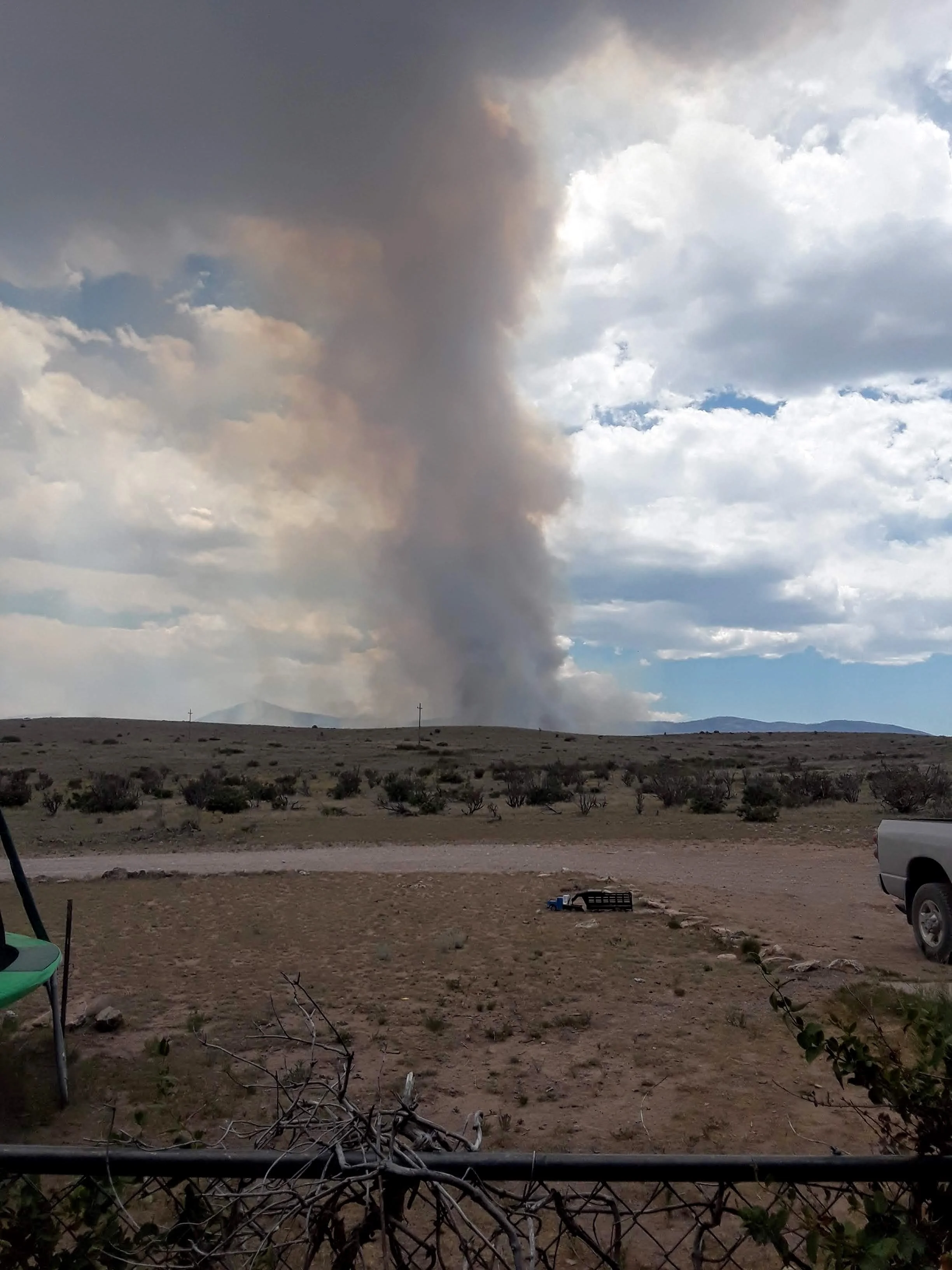
Fire doesn't respect property lines. Your preparation is less effective if your neighbor's place is a tinderbox.
The Cost-Benefit Reality
Wildfire mitigation costs money and time:
Clearing defensible space
Installing or improving water systems
Maintaining equipment and supplies
Annual preparation activities
But compare that cost to:
Total loss of structures
Livestock deaths or injury
Years of recovery from severe fire damage
Lost operational capacity
Insurance premium increases or policy cancellation
And the greatest cost of all: human life.
Preparation is cheaper than recovery. Always. Don’t mess it up.
When Fire Comes
Despite all preparation, wildfire may still threaten. When it does:
Prioritize human life above all else. No structure, no animal, no piece of equipment is worth a human life. Communicate this with your employees so they know that they are the most important.
Follow your plan rather than improvising under stress. You made decisions calmly—trust them.
Communicate clearly with fire personnel. Tell them about livestock locations, water sources, hazards, and access.
Document everything for insurance: photos of pre-fire conditions, fire damage, losses.
Wildfire preparedness isn't optional for Western ranches. It's a fundamental operational requirement, like maintaining water systems or managing for drought.
The time to prepare is now, before the smoke appears on the horizon.
